September 15, 2026

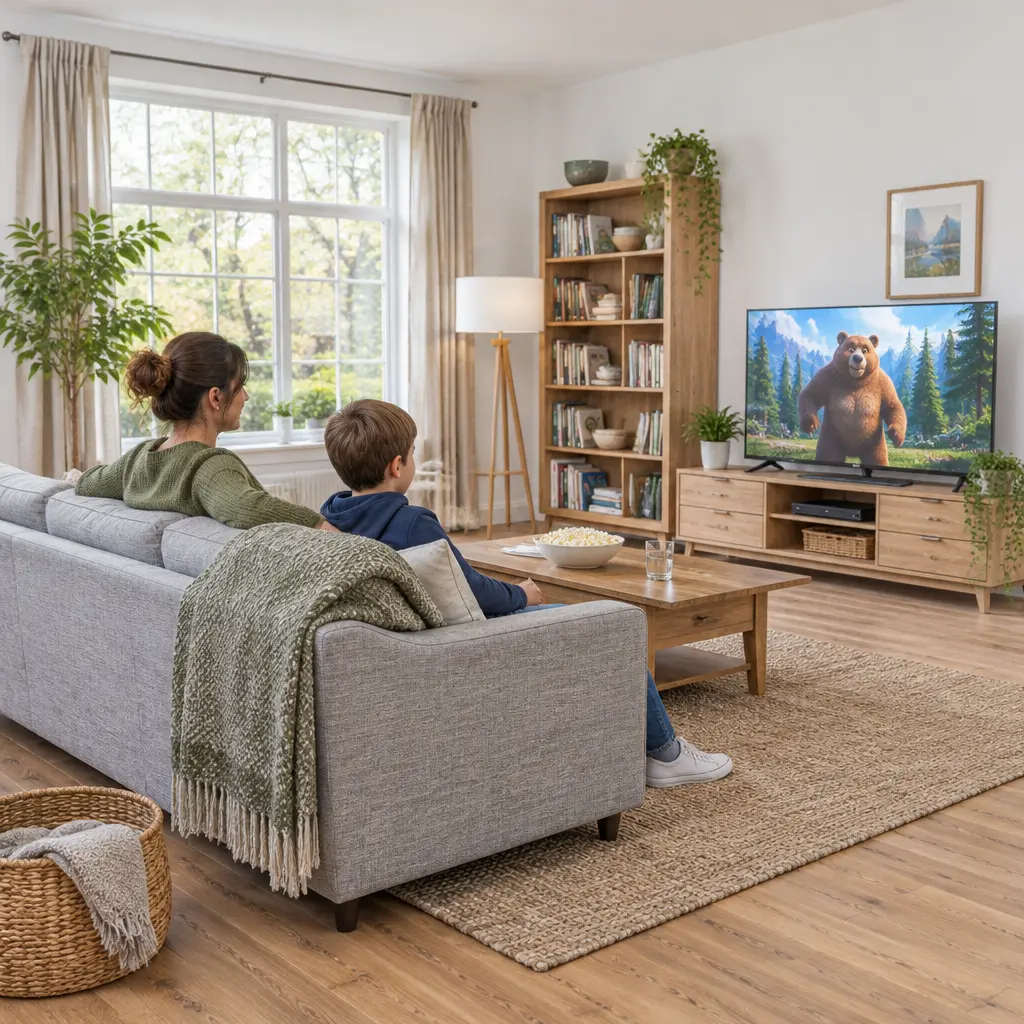
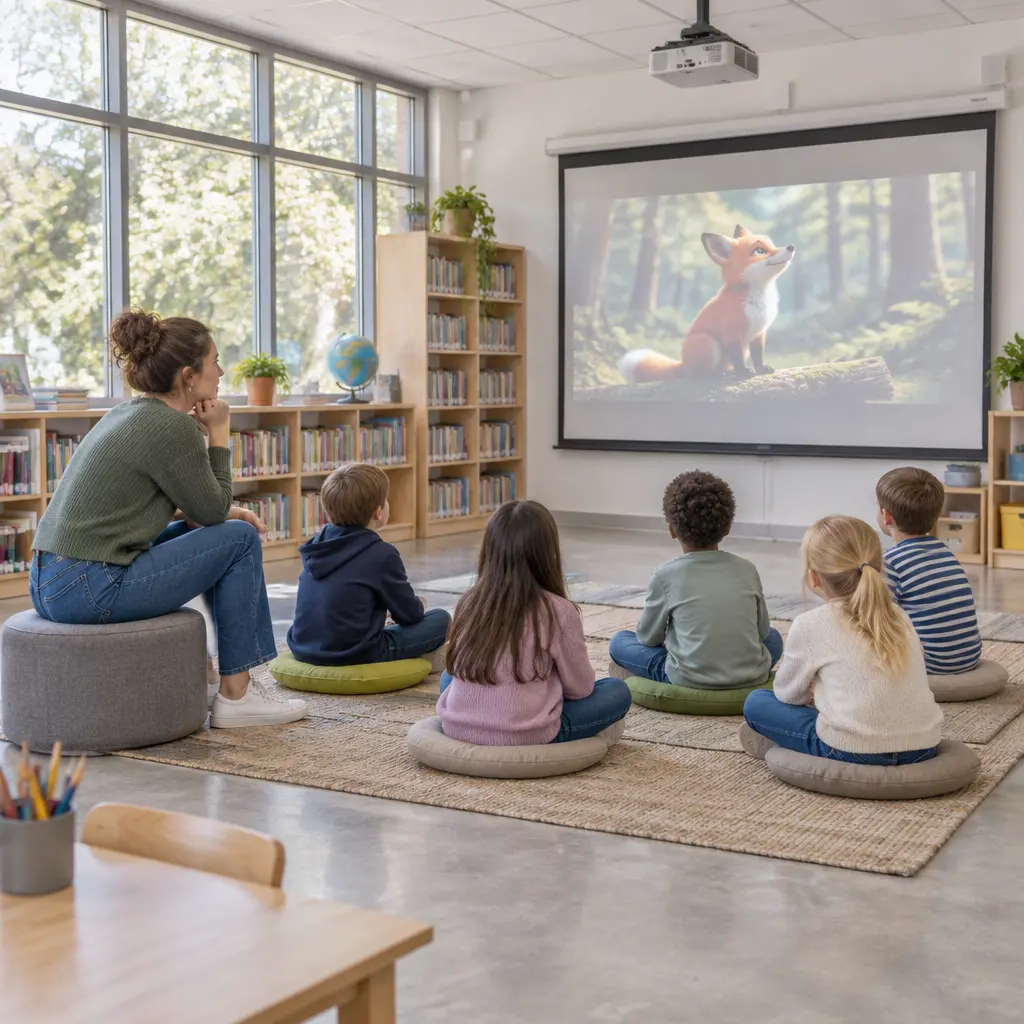
Why Children Understand Cinema Instinctively

Children often understand cinema instinctively because they are skilled at reading faces, movement, sound, repetition, and emotional cause and effect—even before they can explain how a film works. Cinema is…[...]

Read More
September 12, 2026

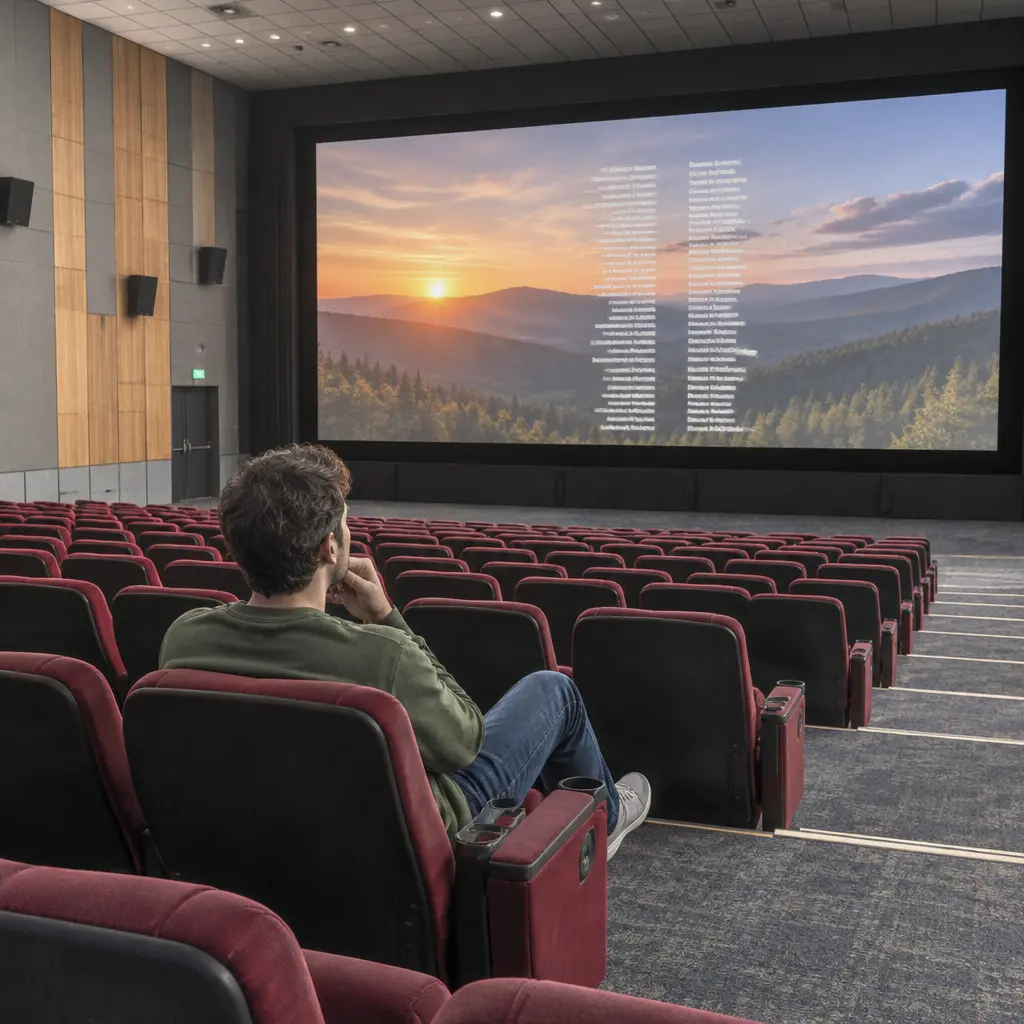
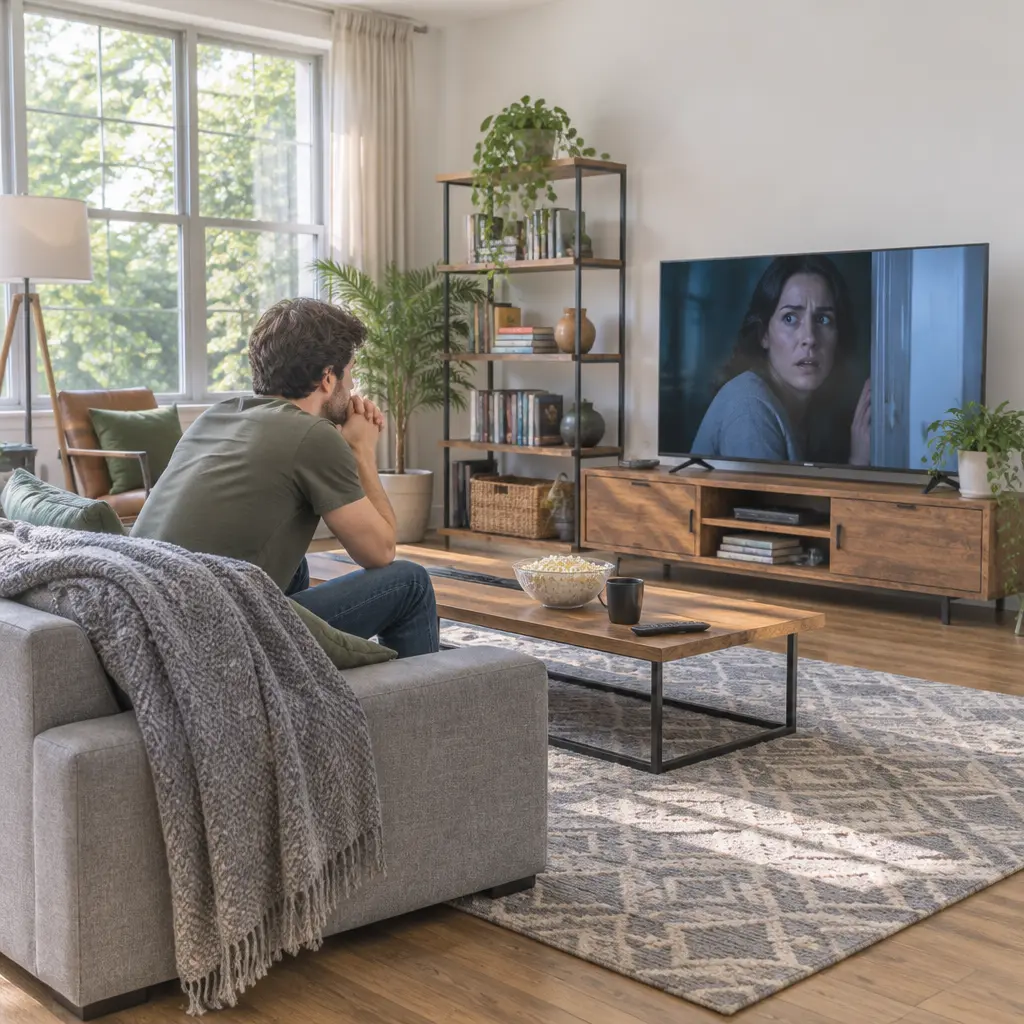
Why Bad Things in Movies Feel Good to Watch

Horror, suspense, and tragedy can make audiences feel fear, tension, or grief—and still leave them entertained. This response to “bad things” on screen is not a contradiction: fiction lets people…[...]

Read More
September 9, 2026

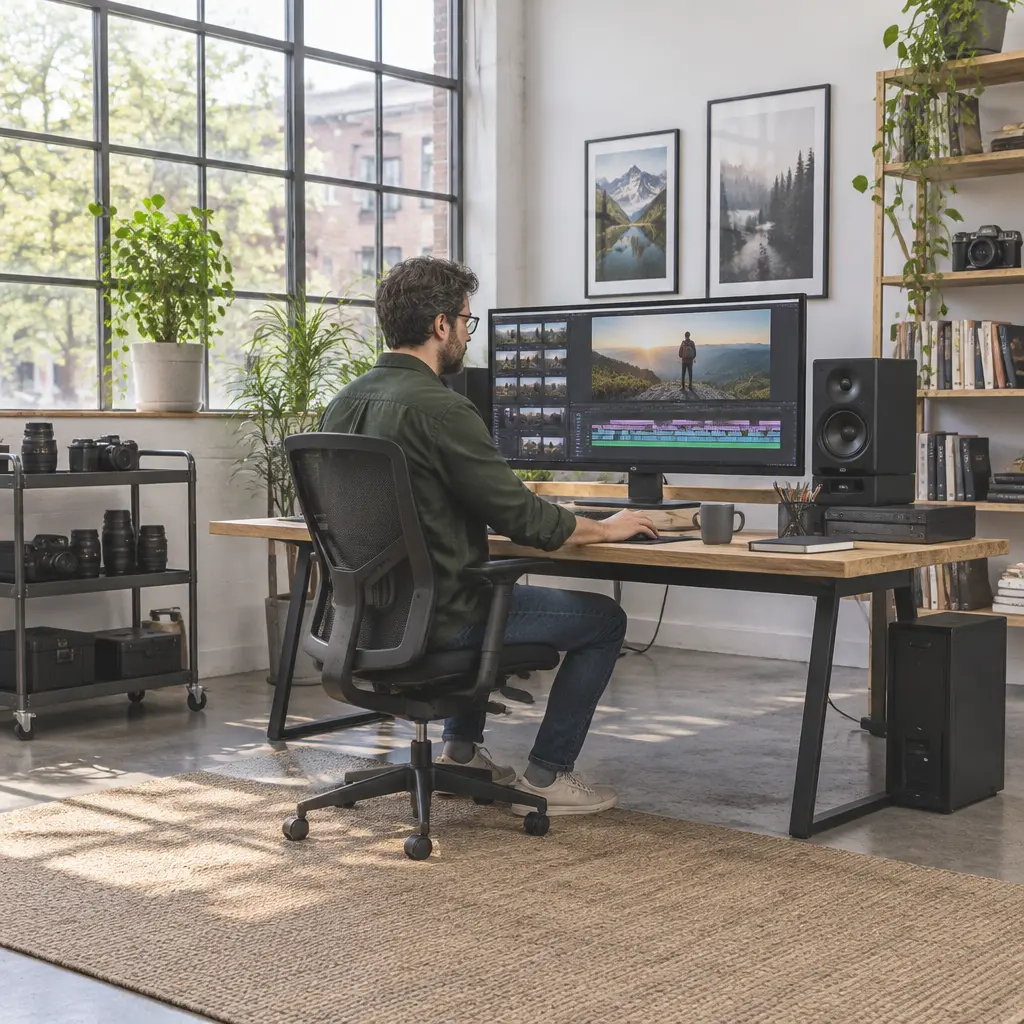
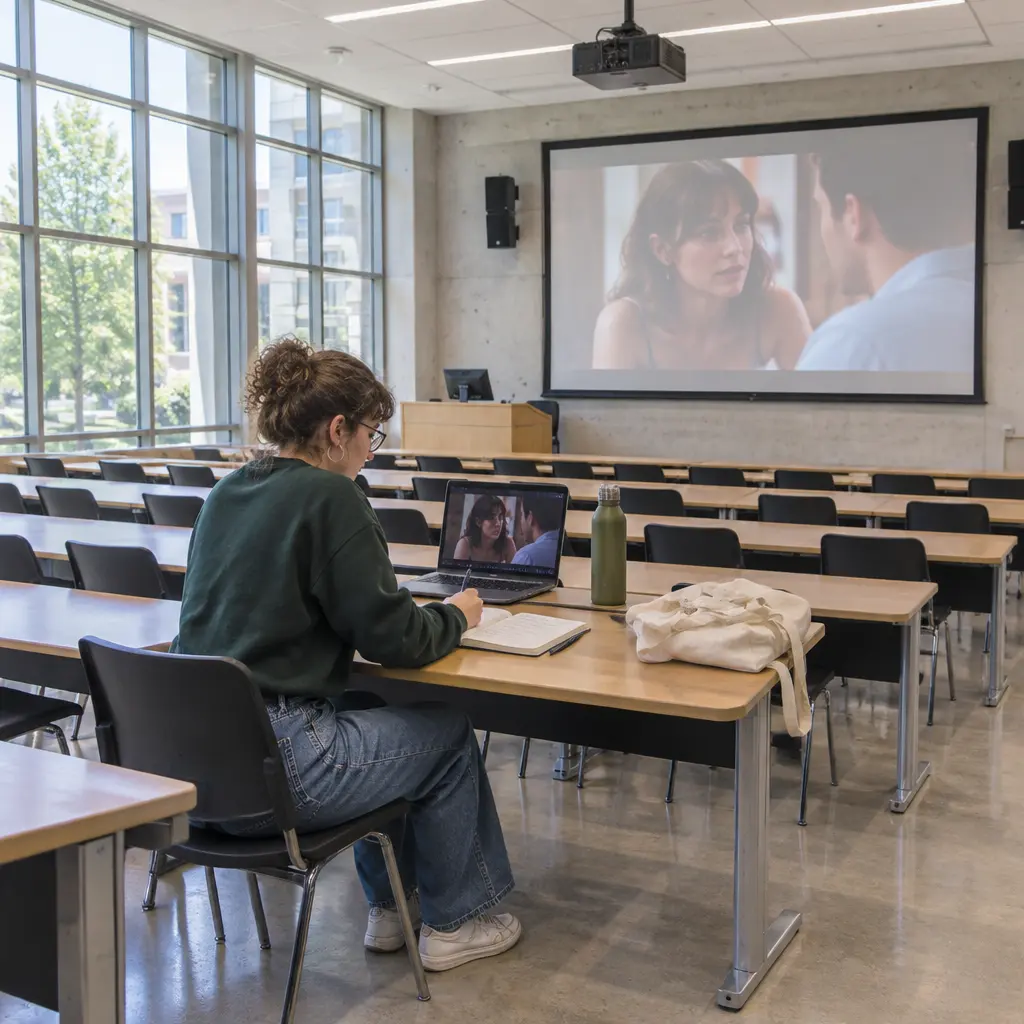
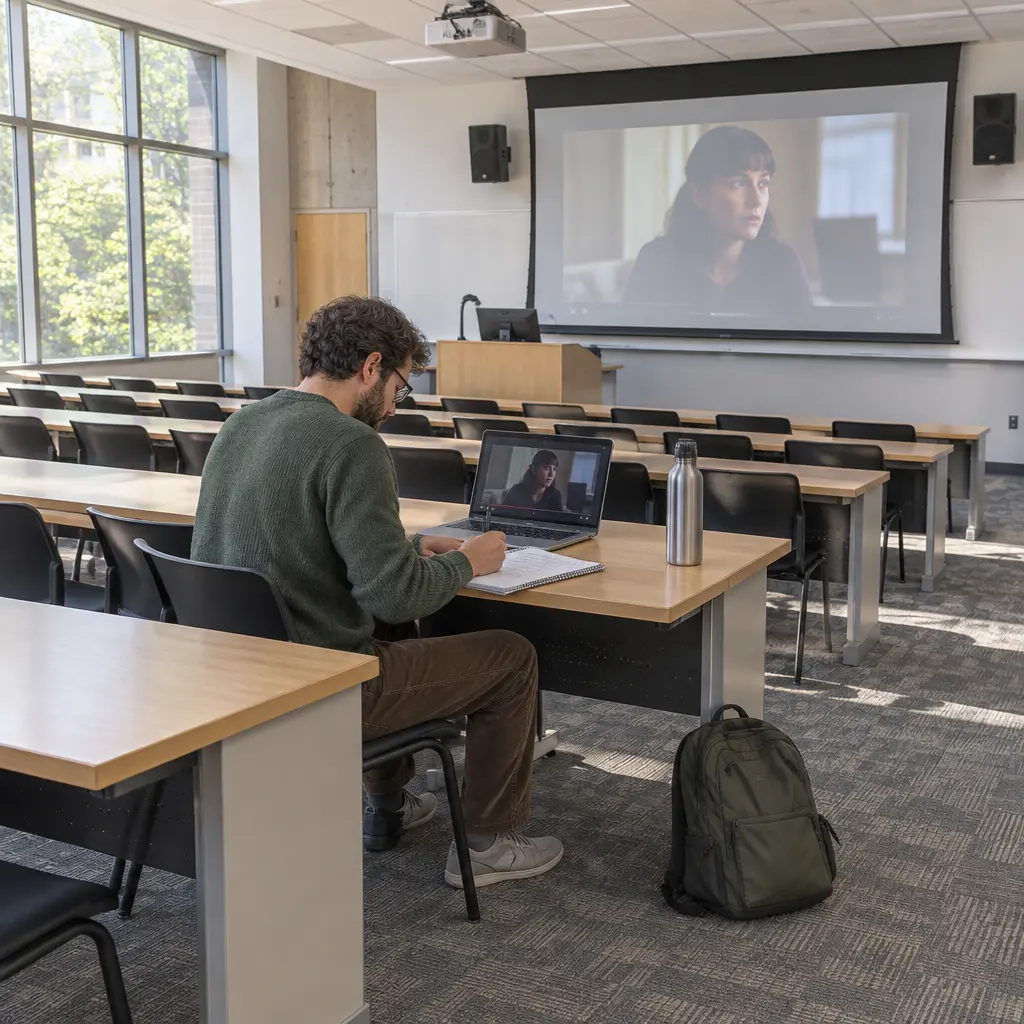
Why Studying Film Makes You a Better Thinker

Film is a sequence of images and sounds arranged to communicate stories, ideas, and experiences. Studying film—its visual composition, editing, sound, performance, and cultural context—can make us more thoughtful viewers…[...]

Read More
September 3, 2026

Can a Film Change the Way You Think?

A film can change the way you think—not by switching your beliefs like a light, but by giving you new perspectives, emotional experiences, and reasons to reconsider what you assume.…[...]

Read More
August 8, 2026

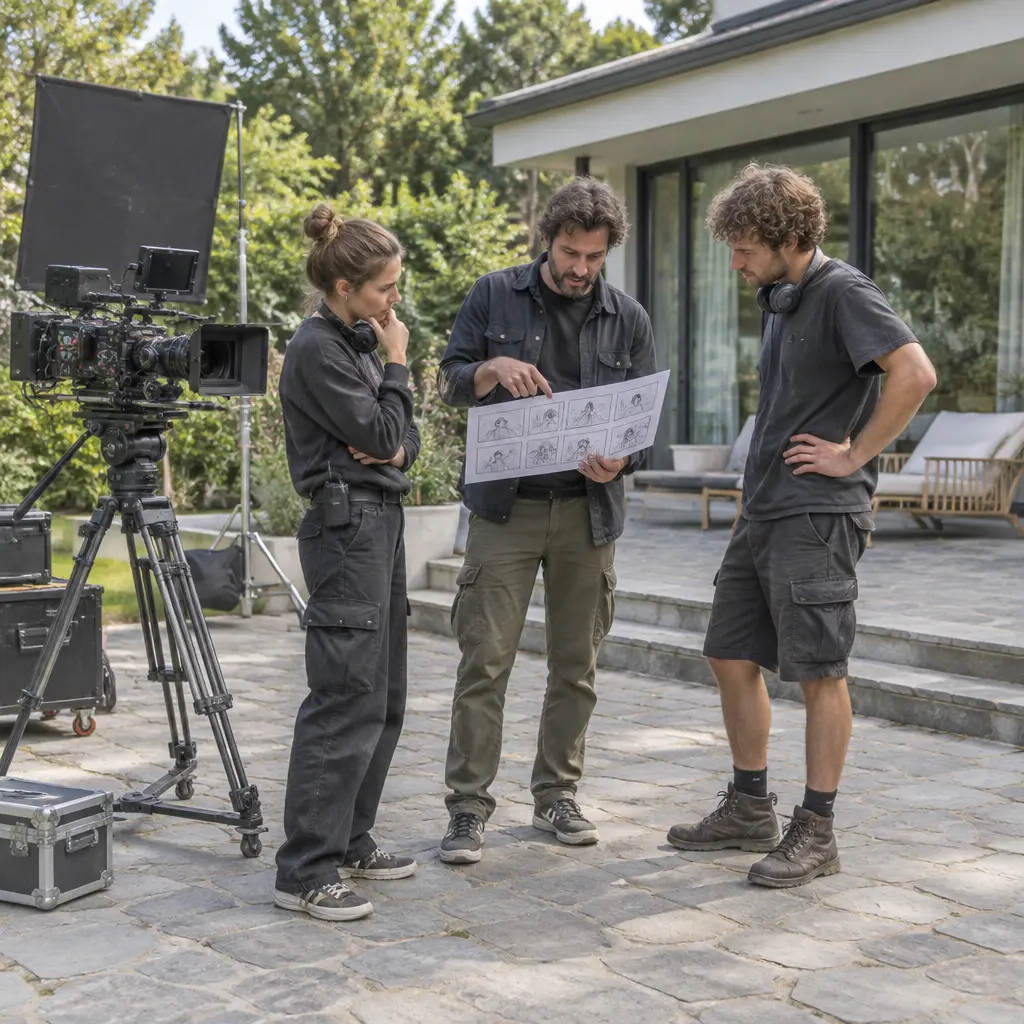
How to Watch a Film Like a Filmmaker

Watching a film like a filmmaker means looking beyond what happens in the story to notice how images, sound, performance, editing, and production design shape what an audience feels and…[...]

Read More
August 2, 2026

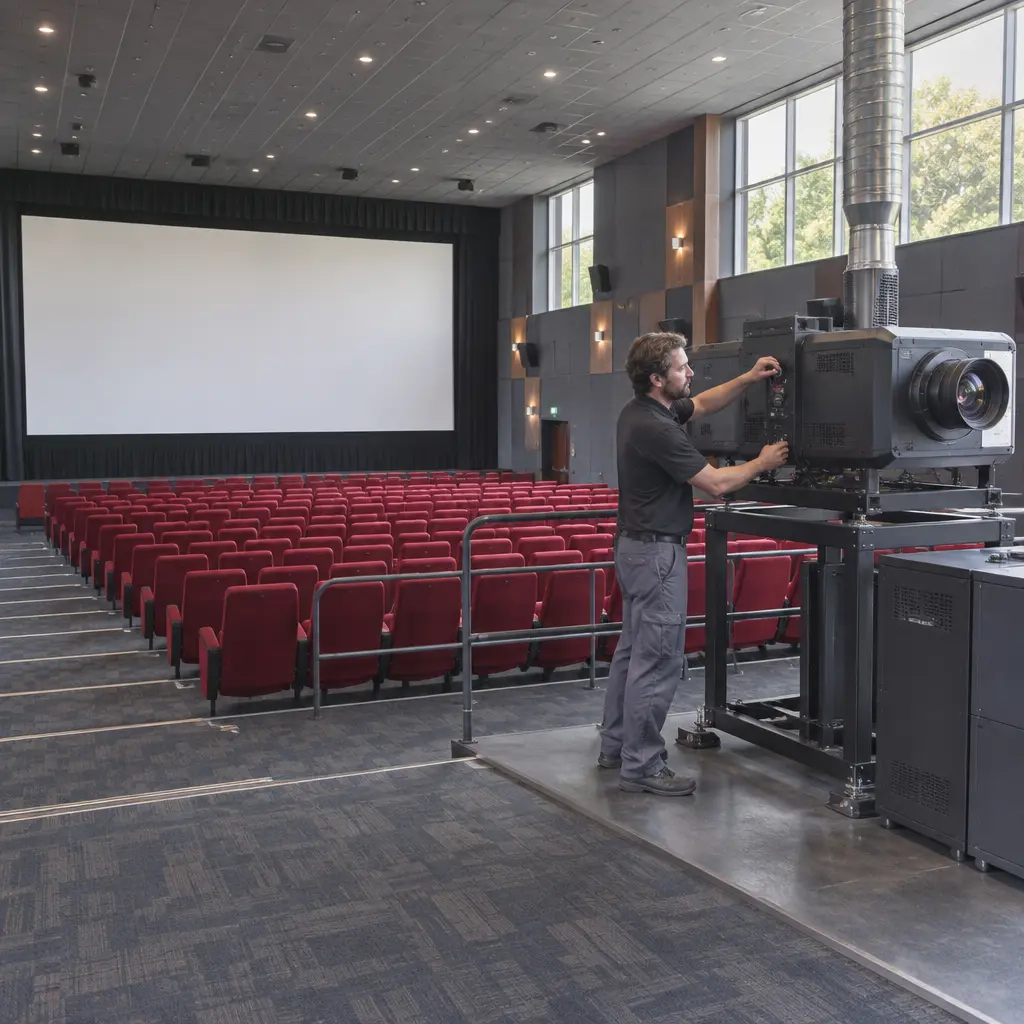
Cinema’s Technological Turning Points

Cinema’s technological turning points are innovations that changed how films are made, distributed, or experienced. From synchronized sound and color to digital cameras, computer-generated imagery, streaming, and high-dynamic-range projection, each…[...]

Read More